The traditional "take, make, dispose" model has long been the foundation of modern industry, but it is becoming clear that this linear approach is no longer viable. By treating resources as if they are infinite, we have created a cycle of excessive waste and placed an unsustainable burden on our planet.
This is where the concept of the circular economy offers a solution. It advocates for a system where products and materials are reused, repaired, and recycled, reducing the need for new resources.
Recommerce, which involves the sale of pre-owned goods, is emerging as a key driver within the circular economy. Online marketplaces focused on vintage clothing and platforms facilitating the resale of electronics are prime examples of how recommerce can contribute to sustainability. Importantly, this approach is not only beneficial for the environment, it is also proving to be a profitable business model.
As consumer awareness of sustainable practices continues to grow, shoppers are increasingly turning to brands that prioritise environmental responsibility. The UK’s recommerce market reached a value of £6.5 billion in 2024 and is forecast to expand to £12 billion by 2028. It is evident that sustainable ecommerce, particularly recommerce, will continue to play a significant role in shaping the future of our economy.
Recommerce - What It Is and Why It Matters
Recommerce refers to the sale of previously owned goods, primarily through online platforms and marketplaces. From fashion and electronics to furniture and books, almost anything can find a second, or even third, life through recommerce. Online platforms such as musicMagpie, Vinted, and Depop, alongside brand-specific resale initiatives, are playing a key role in reshaping consumer behaviour.
For businesses, embracing recommerce brings a variety of benefits. First, it fosters customer loyalty and enhances brand image. In today’s market, consumers are increasingly drawn to companies that demonstrate environmental responsibility. By offering recommerce options, businesses can tap into the growing market of eco-conscious shoppers. A recent study found that 66% of UK consumers prefer to buy products that have a positive environmental impact.
Secondly, recommerce creates new revenue streams and expands market reach. By offering refurbished or pre-owned goods, businesses can attract customers who may be unable to afford brand-new products. This, in turn, helps to reduce waste and minimise environmental impact, supporting many corporate social responsibility (CSR) goals.
The benefits for consumers are equally significant. Recommerce provides access to affordable, high-quality items, enabling shoppers to purchase products they might not otherwise be able to afford. It also offers a convenient way to declutter and earn money by selling unwanted items.
Through participating in recommerce, consumers actively contribute to a more sustainable lifestyle, reducing their carbon footprint and supporting a circular economy. It’s a win-win situation, benefiting both businesses and consumers through a more responsible approach to consumption.
In fact, 40% of eBay’s Gross Merchandise Value (GMV) comes from refurbished and pre-owned products. The marketplace reports this contributes to a reduction of 1.6 million metric tons of carbon emissions and 69,000 metric tons of waste.
The Logistics of Recommerce
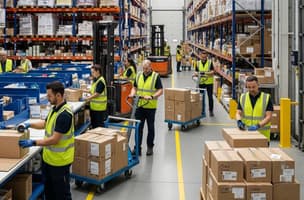
While recommerce is a simple concept, its logistics can be complex. Managing the flow of pre-owned goods presents unique challenges, including product returns, refurbishment, and resale, processes that are far more intricate than traditional forward logistics. Addressing these challenges requires investment in supply chain management technologies to optimise operations, improve scalability, and enhance overall efficiency.
Quality control and product authentication are crucial to ensuring that second-hand items meet acceptable standards. Effective warehousing and inventory management systems are essential for tracking and processing returned goods, while accurate data and tracking help streamline operations and prevent losses. Each of these elements plays a vital role in maintaining a profitable recommerce business.
However, these challenges also present opportunities. Technology is transforming recommerce logistics, with sophisticated returns management systems automating and simplifying the handling of pre-owned items. Product grading and intelligent pricing tools enable businesses to assess item condition and value accurately, while optimised delivery and collection networks help reduce transportation costs and improve efficiency.
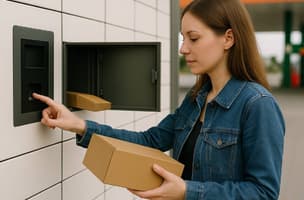
Meeting consumer expectations is equally important. Shoppers now expect hassle-free returns and reliable delivery, even for second-hand goods. To build trust and encourage repeat purchases, businesses should adopt a customer-centric approach, offering clear returns policies, transparent product descriptions, and efficient delivery options.
Efficient reverse logistics is the backbone of a successful recommerce model. Without a well-structured process for handling returned goods, businesses may struggle to scale their operations effectively. By refining their logistics, companies can turn challenges into opportunities, making recommerce both viable and profitable.
The Future of Recommerce and the Circular Economy
The recommerce sector is set for substantial growth, driven by increasing consumer demand for sustainable alternatives. The expansion of subscription and rental models will further extend the lifecycle of products, reinforcing a circular approach to consumption. The growing rental model has led to 1 in 10 consumers opting to hire items rather than buy new more often than they did a year ago.
However, unlocking the full potential of recommerce requires collaboration. Businesses, consumers, and policymakers must work together to create a supportive ecosystem. Companies need to invest in efficient reverse logistics and transparent resale platforms, while consumers play a crucial role by embracing the practice of buying and selling pre-owned goods.
Standardised regulations and certifications will be essential for maintaining product quality and building consumer trust. Establishing clear guidelines for product grading, refurbishment, and warranties will help create a level playing field and encourage broader participation in the recommerce market.
Ultimately, the future of recommerce depends on a shared commitment to sustainability. Businesses that prioritise recommerce not only contribute to a more sustainable planet but also gain a competitive edge in a marketplace increasingly influenced by ethical and environmental considerations. Gen Z is leading the shift, with more than two-thirds now opting for second-hand purchases over new ones.
Conclusion
Recommerce presents a compelling opportunity for both businesses and consumers. For companies, it unlocks new revenue streams, strengthens brand reputation, and reduces environmental impact. For consumers, it offers access to affordable goods, a practical way to declutter, and the ability to support a more sustainable lifestyle, contributing to a positive cycle that drives the circular economy.
More than just a passing trend, recommerce represents a fundamental shift in how we consume and conduct business. It plays a crucial role in moving away from the linear "take, make, dispose" model towards a circular economy where resources are valued, and waste is minimised.
As consumer expectations evolve and awareness of environmental challenges grows, recommerce is becoming an increasingly vital part of the ecommerce landscape. Businesses that embrace this shift will not only contribute to a more sustainable future but also position themselves for long-term success.
Ready to embrace recommerce?
A seamless returns process is essential for a successful recommerce strategy. Parcelhub’s multi-carrier solution and advanced reverse logistics and returns portal help businesses efficiently manage returns, reduce costs, and enhance customer satisfaction.
Find out how Parcelhub can support your recommerce operations - get in touch today!
Share this article
You may also like...