The world of eCommerce is in a constant state of evolution. Just when businesses adapt to one trend, another emerges, reshaping how consumers interact with online brands. This fast-paced environment can feel overwhelming, but it also offers exciting opportunities for those willing to innovate and stay ahead of the curve.
So, what does the future hold for eCommerce? From AI-driven personalisation and the rise of mobile and social commerce to the growing emphasis on sustainability, the landscape is rapidly transforming. Advancements in delivery and fulfilment are also revolutionising logistics, while augmented reality (AR) is opening new possibilities for immersive shopping experiences.
By embracing these emerging trends, businesses can enhance customer experiences, drive growth, and remain competitive in the ever-evolving digital marketplace.
How eCommerce Is Changing Retail
- Personalisation & Enhanced Customer Experience
- The Rise of Mobile and Social Commerce
- Focus on Sustainability and Ethical Consumption
- The Evolution of Delivery and Fulfilment
- Augmented Reality and Immersive Shopping Experiences
- The Importance of Data Security and Privacy
Personalisation & Enhanced Customer Experience
The demand for personalised shopping experiences has grown significantly, with consumers expecting interactions tailored to their individual needs and preferences.
AI and machine learning are transforming how businesses understand and engage with customers. These technologies analyse vast amounts of data to identify behavioural patterns, predict future purchases, and customise website layouts and product recommendations to match individual preferences.
Personalisation engines, such as Nosto and Salesfire, help online retailers build a comprehensive profile of each customer by analysing demographics, browsing history, purchase patterns, and social media interactions. This data enables businesses to anticipate customer needs and deliver highly relevant offers and content.
Regardless of whether a customer is browsing on a desktop, shopping via mobile, or engaging with a brand on social media, AI-powered personalisation ensures a seamless and consistent experience across all platforms.
Personalised marketing has also become a key driver of enhanced customer experiences. AI enables brands to deliver tailored retargeting campaigns via email, SMS, or on-site messaging, offering personalised product recommendations and exclusive discounts that resonate with individual customers.
Additionally, dynamic pricing - where prices adjust based on customer behaviour - can help optimise sales and enhance customer satisfaction. By integrating personalisation at every stage of the customer journey, businesses can strengthen relationships, boost customer loyalty, and drive revenue growth.
The Rise of Mobile and Social Commerce
The growth of mobile commerce has fundamentally changed how people shop. With mobile devices now an integral part of daily life, they have become the preferred way to browse and buy. This makes a mobile-first approach to website design essential - any clunky or frustrating mobile experience will quickly drive customers away.
Beyond simple browsing, social media platforms are increasingly integrated into the entire shopping journey. TikTok Shop, for example, has transformed how consumers discover new products, research brands, and make purchases - all without leaving the app. This is the power of social commerce. Having a social media presence is no longer enough; businesses must actively engage with customers and make purchasing as seamless as possible.
Social commerce presents exciting opportunities to reach potential customers. Influencer marketing, where brands partner with social media personalities to promote products, has become a powerful sales driver. User-generated content (UGC), such as customer reviews, unboxing videos, and social media posts, also plays a crucial role in building trust and influencing purchasing decisions. Seeing real people use and enjoy a product can be incredibly persuasive.
However, mobile and social engagement mean little if the final step, the checkout process, isn’t optimised. A complicated or lengthy checkout experience can lead to abandoned carts and lost sales. To maximise conversions, businesses must provide a frictionless mobile purchase experience with clear calls to action, secure payment options, preferred delivery choices, and a streamlined checkout process with minimal steps. Making it quick, easy, and secure for customers to buy on mobile is key to capitalising on the social commerce boom.
Focus on Sustainability and Ethical Consumption
Consumers are increasingly aware of the environmental and social impact of their purchasing decisions. As a result, sustainability and ethical values are driving significant changes in the retail landscape.
Today’s shoppers want to know where their products come from, how they are made, and what impact they have on the planet. This has led to a growing demand for transparency and traceability in supply chains. Customers want reassurance that the products they buy are not contributing to deforestation, pollution, or unfair labour practices. More than ever, they seek to support businesses that are committed to ethical and sustainable practices.
This heightened awareness has contributed to a rise in online businesses becoming certified B Corps. B Corp certification provides independent, third-party validation of a company’s commitment to sustainability and ethical business practices. It serves as a way for businesses to demonstrate their values and prove to customers that they take their commitments seriously. The B Corp framework also offers a structured approach to sustainability, helping companies set clear goals, measure progress, and continuously improve their social and environmental impact.
By aligning with consumers’ values and demonstrating a genuine commitment to sustainability, businesses can build stronger brand loyalty. Customers are more likely to support companies that share their ethical stance and contribute positively to the world, making sustainability a powerful differentiator in a competitive market.
The Evolution of Delivery and Fulfilment
Customers now expect fast and flexible delivery options, and businesses that fail to meet these demands risk losing out to the competition. The bar has been raised significantly, pushing online retailers to continuously innovate to keep up with rising expectations.
This has led to the development of cutting-edge delivery methods - some of which would have seemed like science fiction just a few years ago. Amazon, for example, is trialling drone delivery, which promises faster and more efficient service, particularly in remote areas. Autonomous vehicles are also being tested, with the potential to revolutionise last-mile delivery and reduce operational costs.
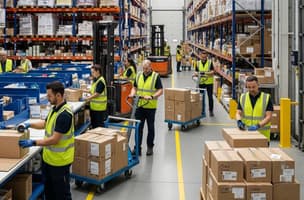
However, while these futuristic solutions are on the horizon, efficient inventory management and fulfilment processes remain essential. Ensuring that the right product reaches the right customer at the right time requires a well-coordinated system behind the scenes. Businesses must invest in robust inventory management software, optimise warehouse operations, and streamline order fulfilment to maintain timely and accurate deliveries.
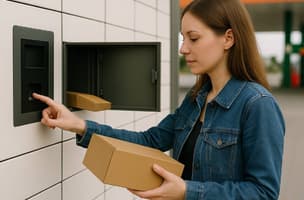
At the same time, consumers expect greater flexibility at checkout, wanting delivery options that suit their individual needs. The days of a single, standard delivery option are long gone. Today’s shoppers anticipate a variety of choices, from express delivery for urgent purchases to cost-effective options for less time-sensitive orders. This includes selecting preferred carriers, choosing specific delivery windows, and opting for secure drop-off locations, such as with a neighbour or in a designated safe space.
Empowering customers with control over their delivery experience not only enhances satisfaction but also reduces failed deliveries and returns, ultimately improving efficiency. Providing clear, transparent information about each delivery option, such as costs and estimated delivery times, is crucial for building trust and ensuring a smooth checkout experience.
Technology plays a vital role in optimising logistics and cutting delivery costs. From multi-carrier shipping software and real-time tracking systems to warehouse automation and predictive analytics, technology is transforming how goods move from warehouse to customer.
By embracing these innovations, businesses can improve efficiency, reduce shipping costs, and enhance the overall customer experience. The evolution of delivery and fulfilment is an ongoing process, and companies that invest in technology and innovation will be best positioned to meet the ever-changing demands of modern consumers.
Augmented Reality and Immersive Shopping Experiences
Augmented Reality (AR) is set to revolutionise eCommerce, blurring the lines between the physical and digital worlds. This technology, which overlays digital information onto the real world via a smartphone or other device, has the potential to transform online shopping by creating more engaging and immersive experiences.
Businesses are already exploring how AR can enhance the shopping journey. Visualising a piece of furniture in your living room before making a purchase or virtually trying on clothes without stepping into a changing room is becoming increasingly common. Virtual try-ons, interactive product demonstrations, and personalised digital showrooms are now a reality, thanks to advancements in AR technology.
These immersive experiences offer significant benefits for both businesses and consumers. For retailers, AR can help reduce return rates by enabling customers to make more informed purchasing decisions. It also boosts customer engagement and strengthens brand loyalty by delivering memorable and interactive shopping experiences. For consumers, AR provides a more convenient and personalised way to shop, allowing them to try out products and visualise them in their own space before committing to a purchase.
The Importance of Data Security and Privacy
In the digital age, data is a valuable asset - but it also comes with significant responsibility. As consumers share more of their personal information online, concerns about data privacy and security have grown exponentially. Businesses that collect and process customer data must prioritise data protection and ensure compliance with all relevant regulations.
One of the most important regulations in this area is the General Data Protection Regulation (GDPR). This legislation sets a high standard for data protection and applies to any business that collects data from individuals in the United Kingdom or the European Union, regardless of where the business is based. GDPR mandates that businesses obtain explicit consent from customers before collecting their data, remain transparent about how that data is used, and give customers the right to access, correct, and delete their personal information.
Transparency is key to building trust. Businesses must be upfront about how they collect and use customer data, providing clear and concise privacy policies that are easy to understand. They should also be open about how data is used for personalisation, marketing, and other purposes.
Investing in robust cybersecurity measures is essential to protecting customer data from breaches. As cyberattacks become increasingly sophisticated, businesses must take proactive steps to safeguard their systems. This includes implementing strong password policies, using encryption, regularly updating software, and training employees in cybersecurity best practices.
Data privacy concerns can have a major impact on consumer trust and brand reputation. A data breach can result in financial losses, legal consequences, and long-term damage to customer confidence. By demonstrating a commitment to data protection, businesses can build trust, strengthen customer relationships, and enhance their reputation in an increasingly security-conscious market.
Conclusion
We've explored the key eCommerce trends shaping the future of online retail, from the rise of personalised experiences and the dominance of mobile and social commerce to the growing emphasis on sustainability and the evolution of delivery and fulfilment. We’ve also touched on the exciting potential of augmented reality (AR) and the critical importance of data security and privacy.
These trends are not just passing fads, they represent fundamental shifts in consumer behaviour and expectations. Businesses that want to stay competitive and thrive in this ever-evolving landscape must adapt, innovate, and embrace change.
By prioritising the customer experience, investing in technology, and staying ahead of industry developments, online retailers can position themselves for long-term success. The future of eCommerce is full of opportunity for those who are willing to evolve and keep the customer at the heart of everything they do.
Share this article
You may also like...