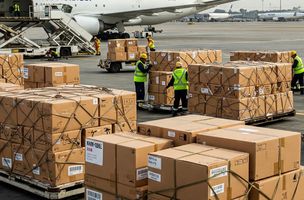
Ever wondered how customs officials know what's inside those millions of packages crossing borders every day? The answer lies in a system called Harmonized System (HS) Codes. These codes act as the "universal language" of international trade, providing a standardised way to classify and identify goods. This blog post aims to explain HS codes and understand their importance for online retailers engaged in cross-border selling.
What are HS Codes?
HS codes are a standardised system of names and numbers used to classify traded products. Developed by the World Customs Organization (WCO), this system is used by customs authorities worldwide to identify products when assessing duties and taxes, and for gathering trade statistics. Think of it as a universal language for goods crossing borders, ensuring that everyone is on the same page when it comes to international trade.
A Brief History of the Harmonized System (HS)
The HS system was established in the 1980s by the WCO to simplify and standardise international trade. Before its implementation, countries used different classification systems, leading to confusion and delays at customs. The HS brought much-needed consistency to global trade, making it easier for businesses to navigate the complexities of import and export regulations.
The WCO plays a vital role in maintaining and updating the HS system. It reviews and revises the codes every five years to reflect changes in technology, trade patterns, and the introduction of new products. This ensures the system remains relevant and effective in facilitating international trade.
Structure of HS Codes
HS codes are organised in a hierarchical structure, with increasing levels of specificity:
- Sections: The HS system is divided into 21 sections, each covering a broad category of goods (e.g. section X pulp of wood or of other fibrous cellulosic material).
- Chapters: Each section is further divided into chapters, which provide more specific classifications within the section (e.g. chapter 49 printed books, newspapers, pictures).
- Headings: Chapters are then broken down into headings, providing even more detailed classifications (e.g. heading 01 Printed books, brochures, leaflets and similar printed matter).
- Subheadings: Finally, subheadings provide the most specific level of classification within the HS system (e.g. subheading 91 dictionaries and encyclopaedias).
In practice, an HS code is a six-digit number that corresponds to one of over 5,000 commodity groups. For example, the HS code for "Peaches, including nectarines" is 0809.30.
Examples of HS Codes
Here are a few examples of HS codes for different product categories:
| Product Description | Chapter | Heading | Subheading | Commodity Code |
|---|---|---|---|---|
| Women’s wool trousers | 61 | 04 | 61 | 610461 |
| Men’s cotton trousers | 62 | 03 | 42 | 620342 |
| Playing cards | 95 | 04 | 40 | 950440 |
| Children's colouring book | 49 | 03 | 00 | 490300 |
It's important to note that some countries add further digits to the six-digit HS code for even more specific classifications within their own customs systems. For example, the United States uses a 10-digit system called the Harmonized Tariff Schedule (HTS), while the European Union uses an 8-digit system. When shipping internationally, it's essential to use the code system that is standard for the destination country.
While the 6-digit HS Code remains the global standard, it's likely we'll see more countries adopting longer, more specific codes in the future. The growth of eCommerce has led to a significant increase in the volume of international shipments so there's a growing need for more detailed classifications to ensure accurate duty and tax assessments, and to enforce trade regulations effectively.
Consequences of Incorrect HS Code Classification
Using the wrong HS code can lead to a range of problems for online retailers, impacting both their operations and their bottom line. Here are some of the potential consequences:
- Delays in Customs Clearance: Incorrect HS codes can trigger further inspection or reclassification of your goods by customs officials. This can lead to significant delays in customs clearance, disrupting your supply chain and causing missed delivery deadlines.
- Increased Costs: Using the wrong HS code can result in incorrect duty and tax assessments. You may end up paying more than necessary, or you could face fines and penalties for underpayment.
- Legal Issues: In some cases, misclassification can be viewed as an attempt to evade duties or taxes, potentially leading to legal challenges and stricter scrutiny in future transactions.
- Seizure of Goods: Customs authorities have the power to seize goods that are incorrectly classified or suspected of violating import regulations.
- Damage to Reputation: Delays, increased costs, and customs disputes can damage your reputation with customers and logistics partners. Customers may perceive your business as unreliable, leading to lost sales and negative reviews.
It's important to remember that the responsibility for using the correct HS code ultimately falls on the seller. Even if your customer is unaware of HS codes, any issues arising from incorrect classification will likely impact your business.
Benefits of Using HS Codes Correctly
While it may seem like a hassle, classifying your products with the correct HS codes offers significant advantages for your online business:
- Faster Customs Clearance: Accurate HS codes help expedite customs clearance, reducing the risk of delays and ensuring your products reach your customers on time. This leads to improved customer satisfaction and fewer enquiries about delayed orders.
- Reduced Costs: Using the correct HS codes ensures you pay the correct amount of duties and taxes, avoiding overpayment or potential penalties for underpayment. This can lead to significant cost savings, especially for businesses with high volumes of international shipments.
- Improved Compliance: Accurate HS code classification demonstrates your commitment to complying with international trade regulations. This can help you build trust with customs authorities and avoid potential legal issues.
- Enhanced Customer Satisfaction: Timely delivery and predictable costs contribute to a positive customer experience. This can lead to increased customer loyalty and positive reviews, which are crucial for online businesses.
- Stronger Brand Reputation: By demonstrating professionalism and reliability in your international trade practices, you can strengthen your brand reputation. This can give you a competitive edge in the global marketplace.
- Access to Trade Agreements: Correct HS codes can help you determine if your products qualify for preferential tariff rates under free trade agreements. This can significantly reduce costs and make your products more competitive in international markets.
How to Determine the Correct HS Code
Finding the appropriate HS code for your product is crucial for smooth international shipping. Here's a step-by-step guide to help you:
Understand Your Product
Before you start searching for codes, thoroughly examine your product. Consider its composition, intended use, and any special features that might influence its classification. For example, a cotton t-shirt will have a different HS code than a silk blouse.
Consult the Official HS Code Nomenclature
The World Customs Organization (WCO) provides a comprehensive HS code nomenclature on its website. This resource lists all the codes and their corresponding descriptions. You can also find explanatory notes that provide detailed guidance on how to interpret and apply the codes.
Utilise Online HS Code Lookup Tools
Several online tools and databases can help you find the correct HS code. These tools typically allow you to search by product name, keyword, or description. Some helpful resources include:
Seek Expert Assistance
If you're still unsure about the correct HS code, consider seeking assistance from customs brokers or trade experts. These professionals have in-depth knowledge of HS codes and can provide guidance on classification, ensuring compliance and minimising the risk of errors.
Due Diligence is Key
Remember that using the correct HS code is your responsibility as the seller. Take the time to research and ensure accuracy. Double-check your findings and consider seeking a second opinion if you're unsure. A little extra effort upfront can save you a lot of trouble down the line.
Tips for Online Retailers
Successfully navigating the world of HS codes requires a proactive approach. Here's some specific advice for online businesses engaged in international shipping.
Integrate HS Codes into Your Systems
Include HS code information in your product databases and e-commerce platforms. This ensures the correct code is automatically included on shipping documents, reducing the risk of errors and saving time.
Train Your Staff
Provide thorough training to your staff on HS code classification and best practices. This includes understanding the HS code structure, how to find the correct codes, and the importance of accuracy.
Consider Automated Tools
Explore automated tools for HS code assignment and compliance. These tools can help streamline the classification process, reduce errors, and save time. Some automated tools even use AI and machine learning to suggest the most appropriate HS code based on product descriptions and characteristics.
However, it's important to remember that these tools are not always perfect and should be used in conjunction with manual checks and expert advice.
Understand Country-Specific Variations
Be aware that some countries add their own extensions to the six-digit HS code. Research the specific requirements of the countries you ship to and ensure you use the correct code format.
Communicate with Suppliers
If you source products from overseas, communicate with your suppliers about HS codes. They may be able to provide information about the codes used for their products, which can be a helpful starting point for your own classification.
Conclusion
HS codes are essential for smooth and cost-effective international shipping. Accurate HS code classification ensures compliance with customs regulations, reduces delays, and enhances customer satisfaction. By taking proactive steps, such as utilising online resources, consulting experts, and integrating HS code management into their operations, online retailers can confidently navigate the complexities of international shipping, ensuring smooth customs clearance, minimising costs, and maximising customer satisfaction.
By understanding and correctly applying HS codes, online retailers can expand their businesses globally with confidence.
Share this article
You may also like...